

How Glassware Affects Cocktails, Wine, Beer, and Spirits
Walk into almost any bar and you'll find shelves full of different glasses. Coupes, rocks glasses, Nick & Noras, Collins glasses, wine glasses, beer glasses... the list goes on. Every one of them exists for a reason, though those reasons aren't always obvious.
Most articles about bar glassware stop at listing which drinks belong in which glass. Martinis go in martini glasses. Old Fashioneds go in rocks glasses. Champagne goes in a flute. Useful? Sure. But it doesn't really teach you how to think about glassware when you're creating a new cocktail menu or reevaluating an existing beverage program.
The reality is that glassware is one of the few pieces of equipment your guest interacts with for the entire life of the drink. It affects temperature, dilution, aroma, carbonation, portion perception, presentation, and even how easy it is for a server to carry the cocktail across a crowded dining room.
Choosing the right glass is just as much a part of building the drink as choosing the right ingredients.
Once you understand why certain glasses became associated with certain drinks, choosing glassware becomes much easier. Better yet, you'll know when it's worth following tradition, and when breaking it can make a drink even better.
Choosing the Right Glassware
When designing a beverage program, it's tempting to start with one of the most visual parts: picking the glass. In reality, glassware should be one of the last decisions you make.
Instead, start by asking a much simpler question:
What does this drink need?
That question will answer nearly everything else.
| Question | Why It Matters |
|---|---|
| Is the drink served up or over ice? | Determines whether the glass needs room for ice or should prioritize elegance and temperature retention. |
| Should it stay cold for several minutes? | Stemmed glasses, chilled glassware, and smaller bowls all help slow warming. |
| Is carbonation part of the experience? | Glass shape can preserve or quickly dissipate bubbles. |
| Does aroma drive the flavor? | Bowl shape and opening diameter dramatically affect what reaches the guest's nose. |
| Is the garnish functional or decorative? | Herbs, citrus, smoke, and flowers often need space to do their job. |
| How much liquid and ice does the drink actually contain? | The glass should feel full without overflowing. |
| How quickly will guests drink it? | A refreshing Collins and a slow-sipping Old Fashioned have very different needs. |
| What does service look like? | The "perfect" glass isn't very useful if it constantly breaks or slows down your staff. |
You'll notice none of these questions mention tradition. That's intentional.
Tradition is helpful because it usually reflects generations of bartenders solving the same problems. But function should always come first. If a different piece of glassware better serves the drink, there's a good chance you've made the right choice.
Managing Temperature with Glassware
One of the main reasons different styles of glassware evolved is temperature control.
The first question is simple:
Will the drink contain ice after it's served?
If the answer is no, the glass needs to keep the drink cold for as long as possible.
Take a Daiquiri, Martini, Manhattan, or Gimlet. These cocktails are chilled during shaking or stirring, strained into a chilled glass, and served without ice. From that point on, the only thing keeping them cold is the glass itself. That's why stemmed glassware became the standard. Holding the stem keeps your hand away from the bowl, slowing the transfer of heat into the drink.
If the answer is yes, the job of the glass changes.
An Old Fashioned or Negroni is served over a large cube that continues cooling the cocktail throughout service. Your hand contributes relatively little compared to the ice, so comfort becomes more important than isolation. A sturdy rocks glass provides room for the cube, feels secure in the hand, and supports a drink that's meant to slowly evolve as the ice melts.
Reduce heat transfer
Let ice do the work
*Only if the glass starts cold. A warm heavy glass will also hold heat.
The same principle applies to long drinks. A Collins, Gin & Tonic, or Ranch Water depends on a large volume of ice to stay cold. Tall glasses maximize the amount of ice while leaving enough room for the mixer, preserving both temperature and carbonation.
The glass itself also plays a role. Thick glass feels substantial and, when properly chilled, stores more cold than thin glass. That can help keep a drink colder during its first few minutes of service. The downside is that thick glass also takes longer to chill. A warm heavy-bottomed rocks glass pulled straight from the dishwasher can warm a cocktail faster than a thin, pre-chilled coupe. Like most decisions behind the bar, the best choice depends on how the drink will be served.
Matching Glass Size to Drink Volume
Choosing the right glass starts with a simple question:
How much finished drink needs to fit inside it?
That sounds obvious, but many people think only about the recipe. In reality, the liquid in the shaker or mixing glass isn't the same liquid that reaches the guest.
By the time a cocktail is served, three things compete for space inside the glass:
The finished cocktail
The ice (if served over ice)
A small amount of headroom for presentation, garnish, and comfortable service
Ignore any one of those, and even a well-made cocktail can feel awkward.
Start with the Finished Drink
Recipes are usually written before dilution, but glassware should be chosen after dilution. Our guide to shaken vs. stirred cocktails shows how much water each method adds.
Take a classic Daiquiri. Before shaking, the ingredients total about 3¾ ounces. After 10 to 15 seconds of shaking, the cocktail has absorbed roughly another ounce of water. The finished drink is now close to 5 ounces, making a 6-ounce coupe a natural fit.
Serve that same cocktail in a large martini glass and it suddenly looks undersized, even though nothing about the recipe has changed.
Before selecting a glass, ask one question:
How much finished drink will be in the glass?
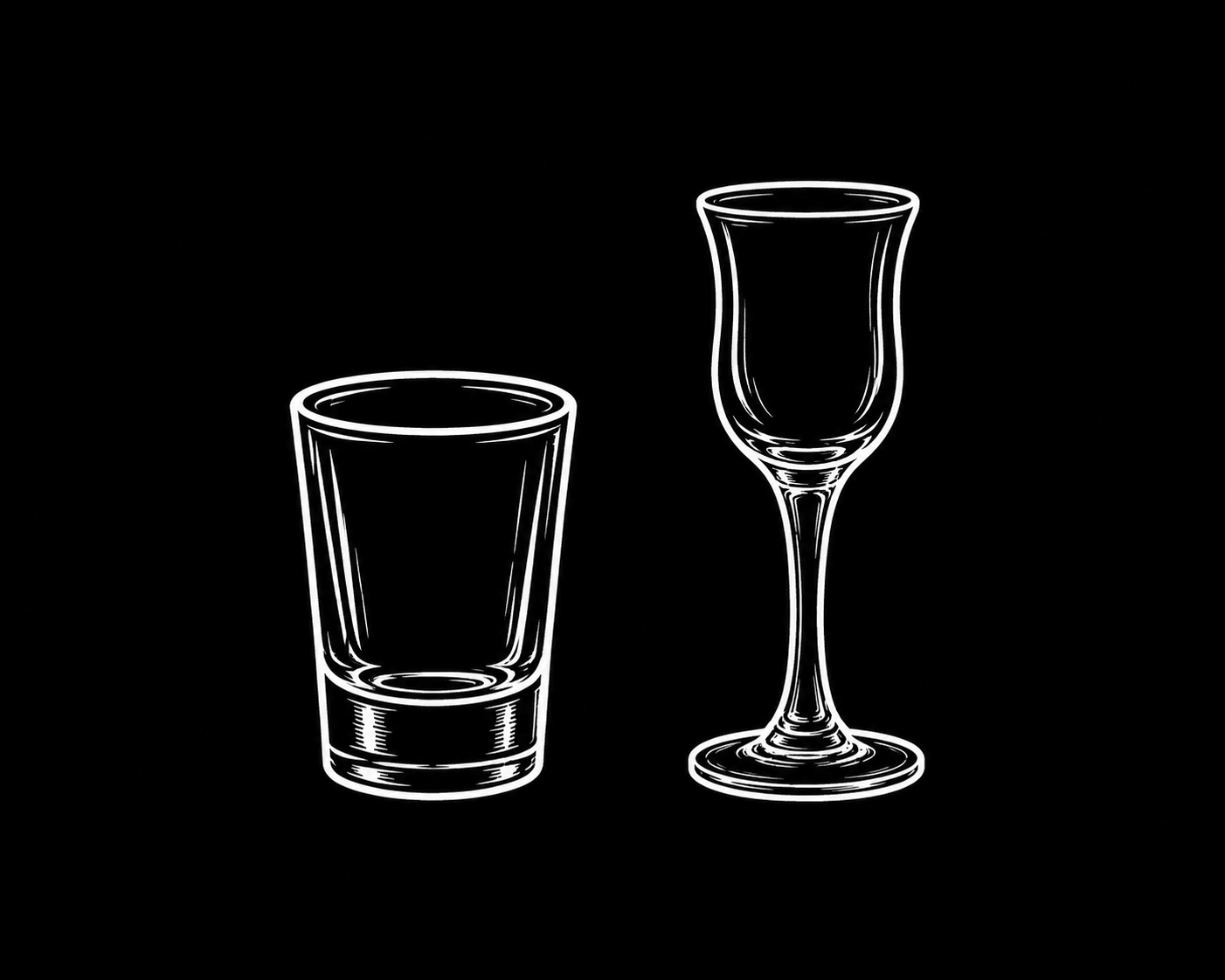
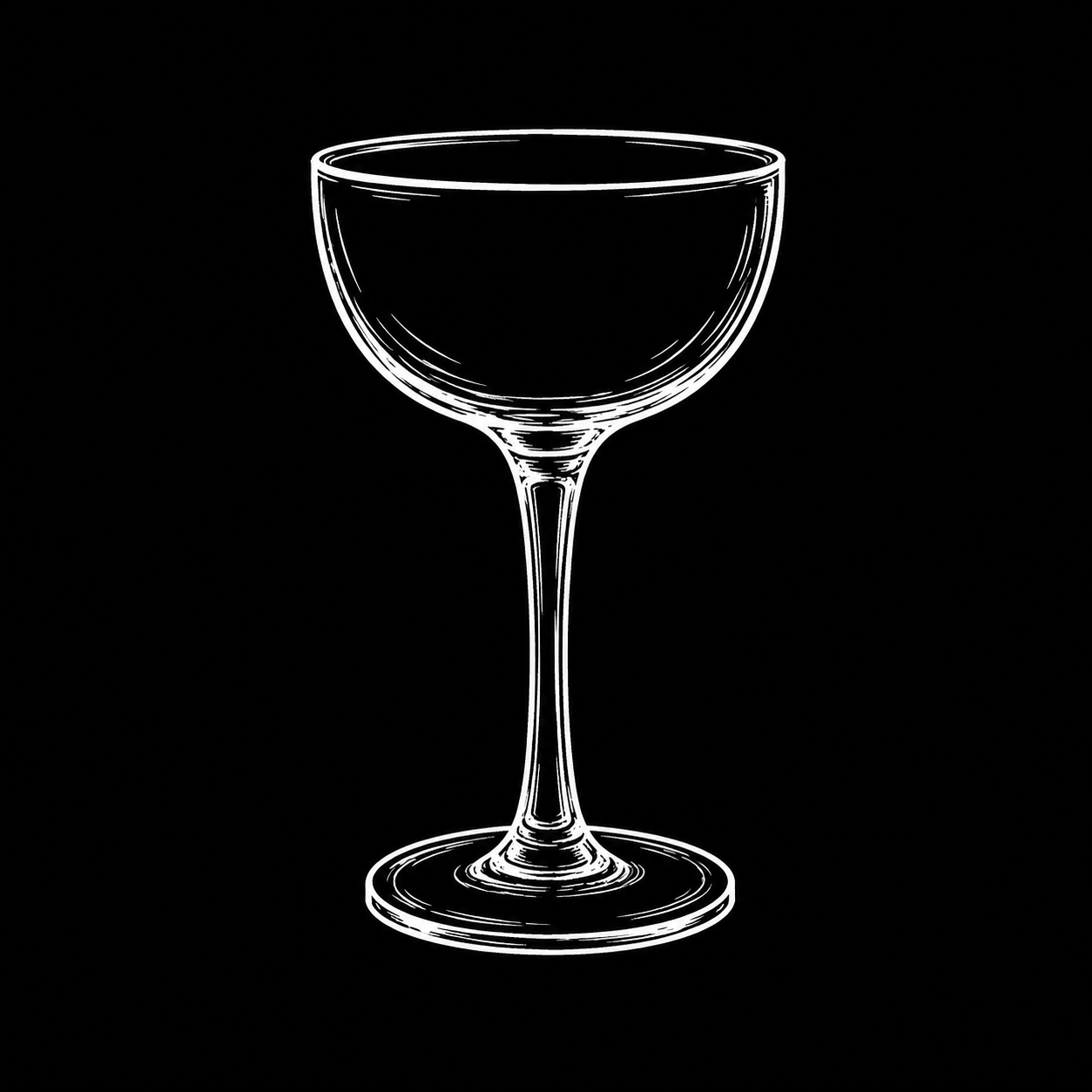
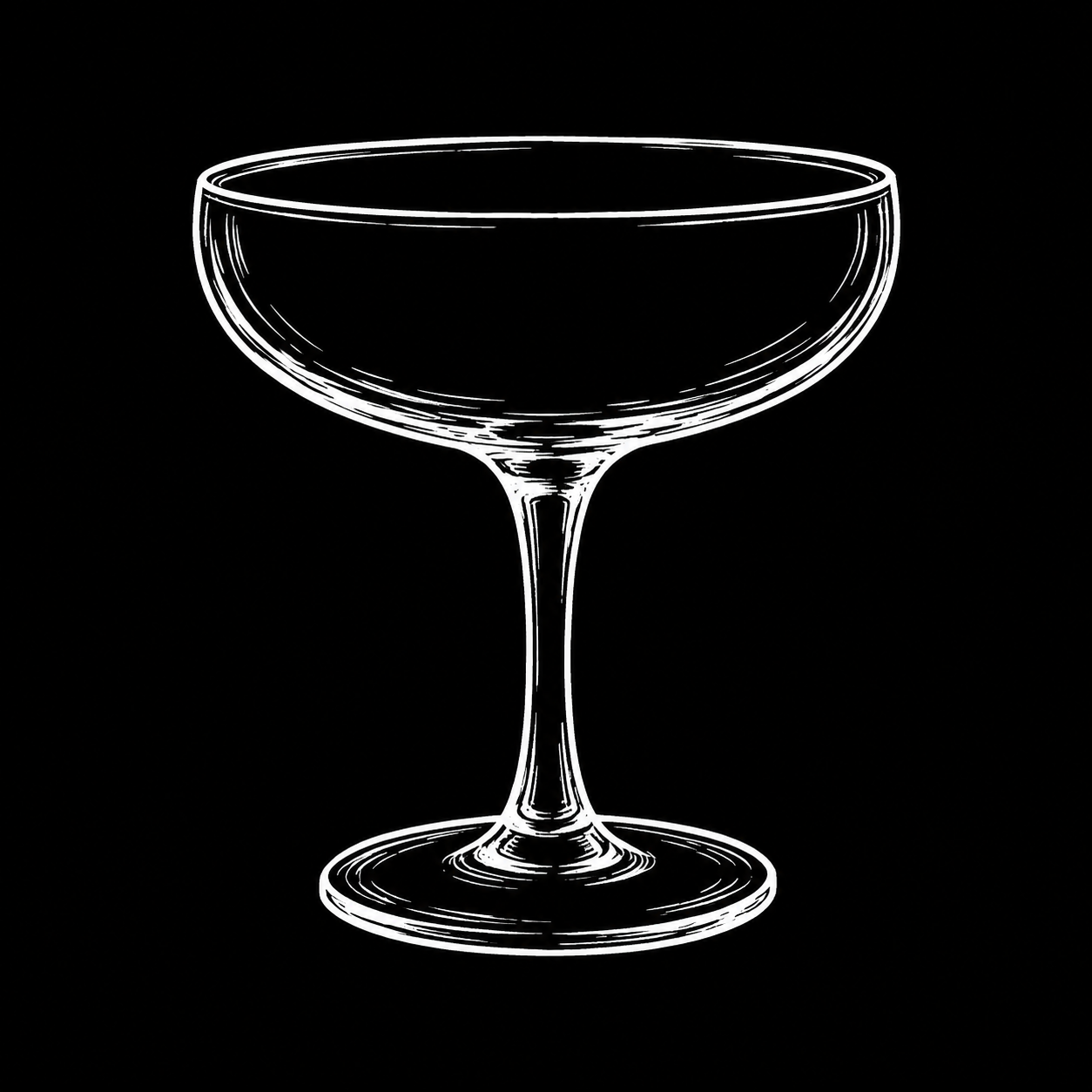
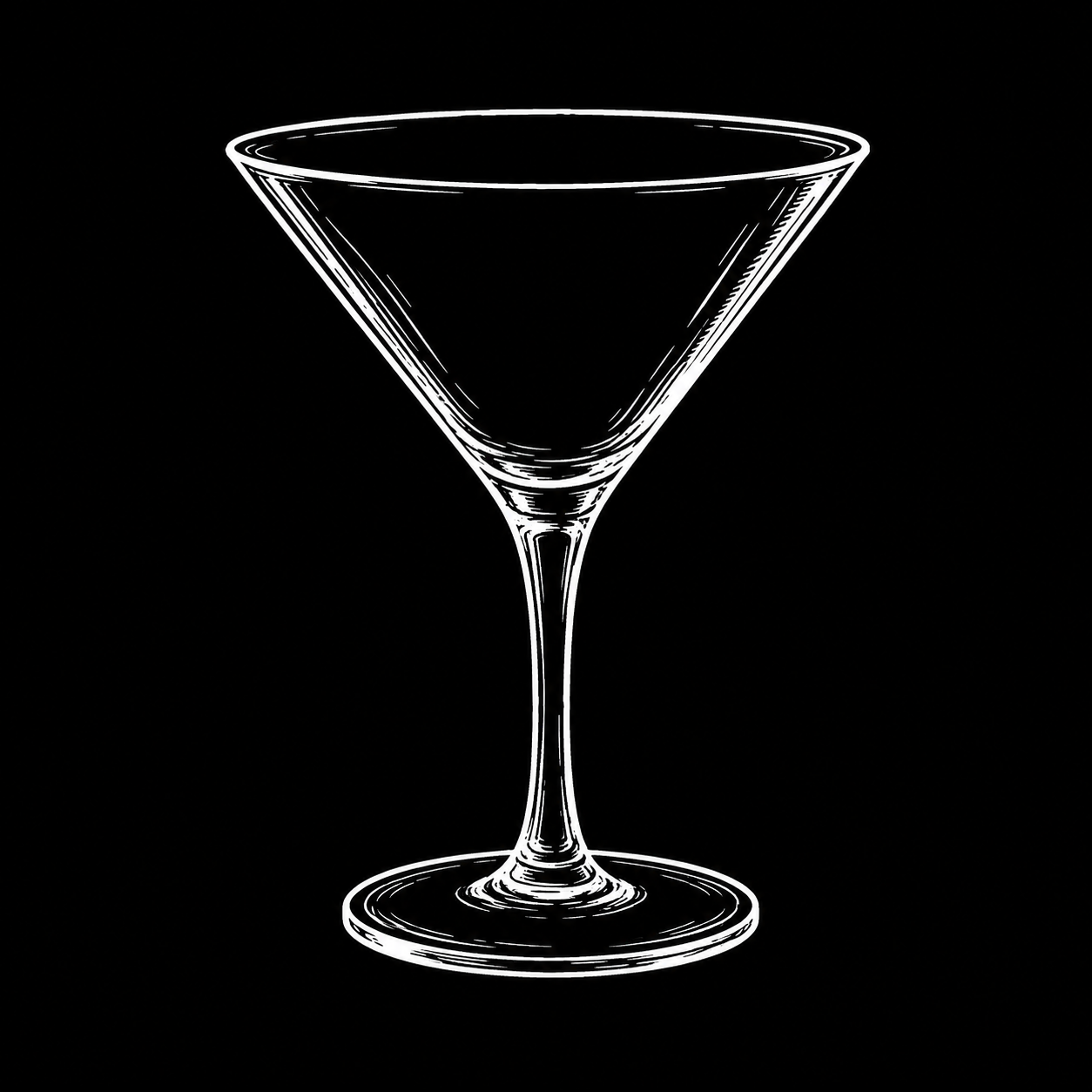
| Glass | Capacity | Relative Glass Volume | Typical Finished Drink | |
|---|---|---|---|---|
|
Shot / Cordial | 1–3 oz | 1–2 oz | |
|
Nick & Nora | 5–6 oz | 3–4 oz | |
|
Coupe | 6–8 oz | 4–5 oz | |
|
Martini | 7–10 oz | 4–5 oz | |
|
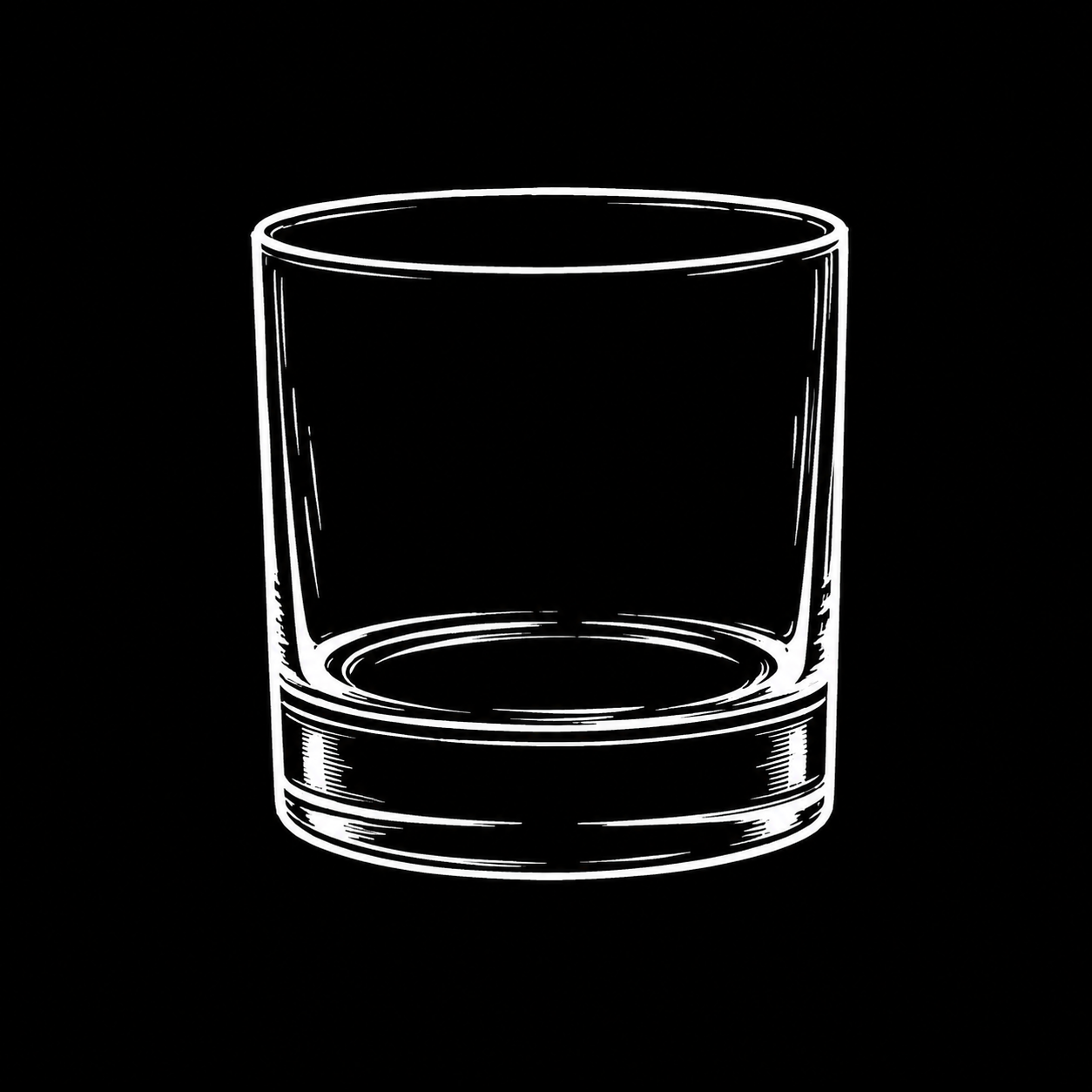
Rocks / Double Rocks | 10–12 oz | 6–9 oz with ice | |
|
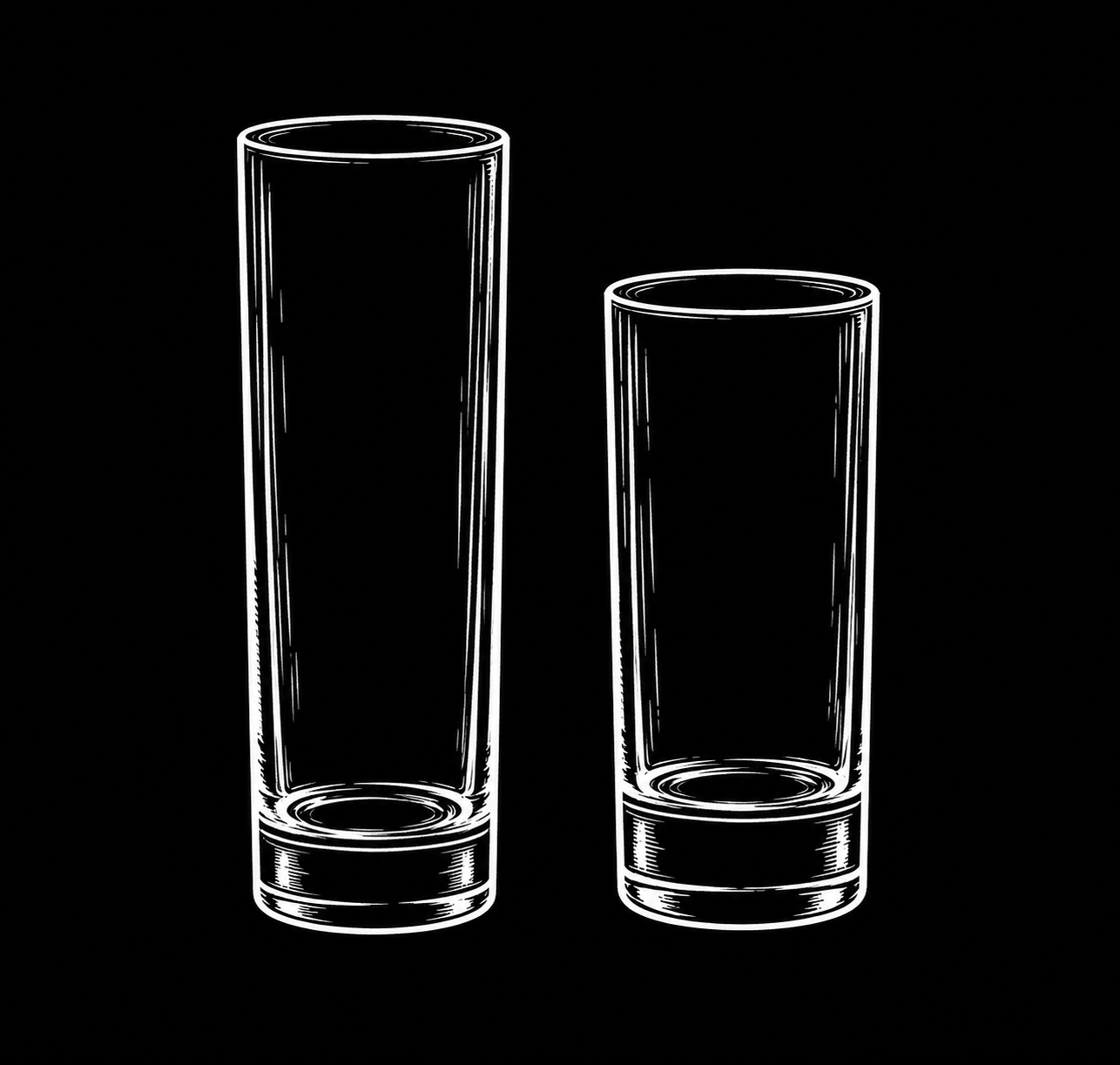
Highball / Collins | 10–14 oz | 8–12 oz with ice | |
|
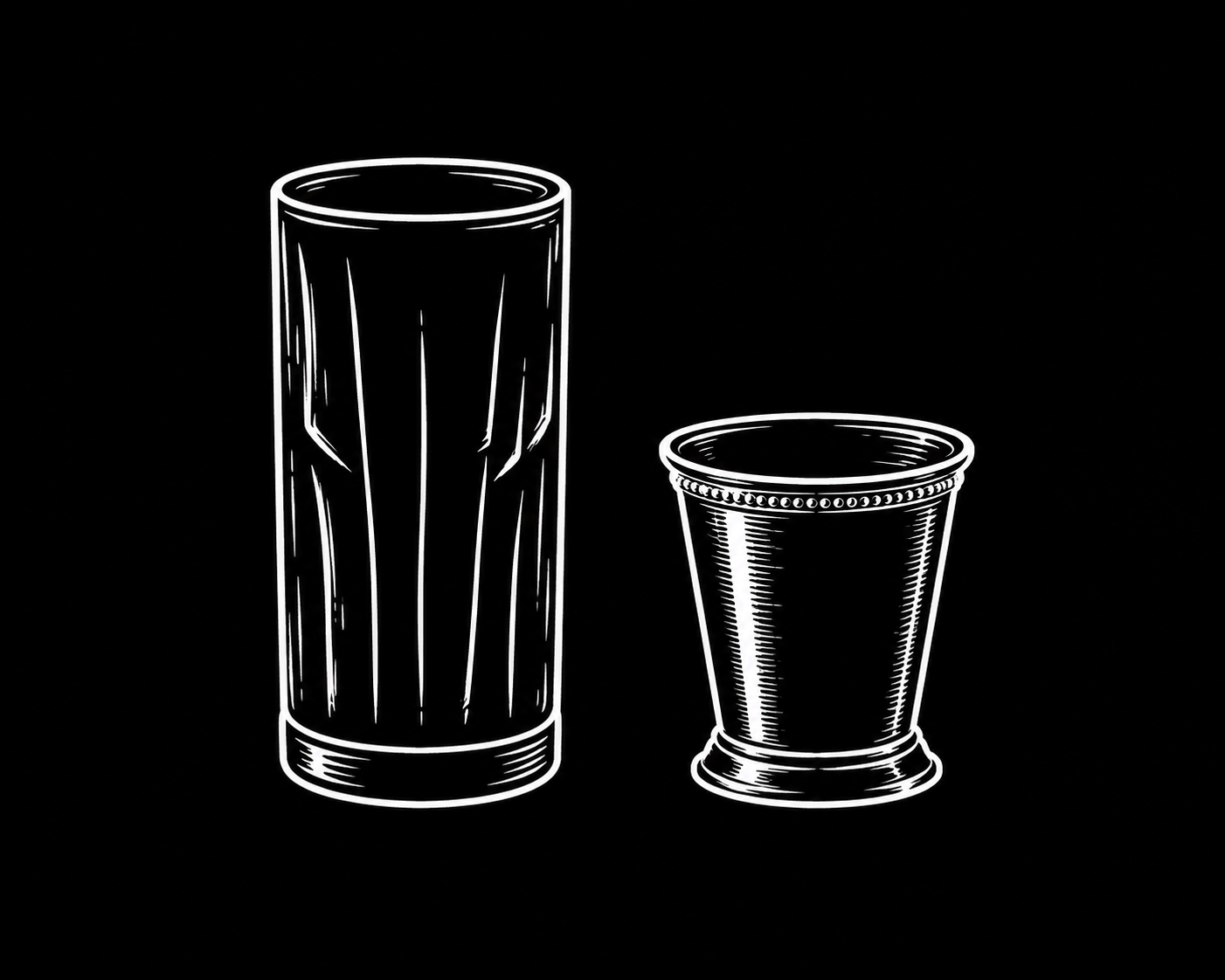
Tropical Mug / Julep Cup | 12–16 oz | 10–14 oz with crushed ice | |
|
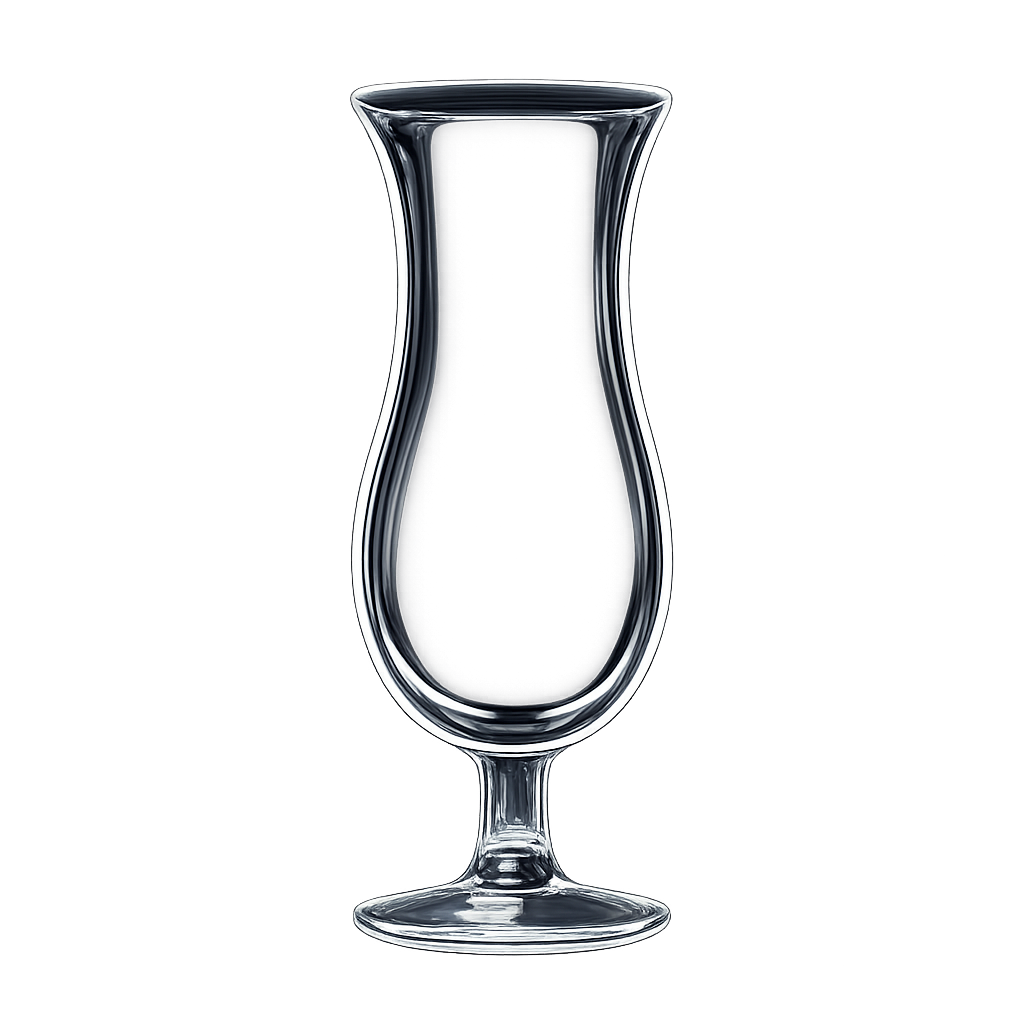
Hurricane | 15–20 oz | 12–14 oz with ice | |
|
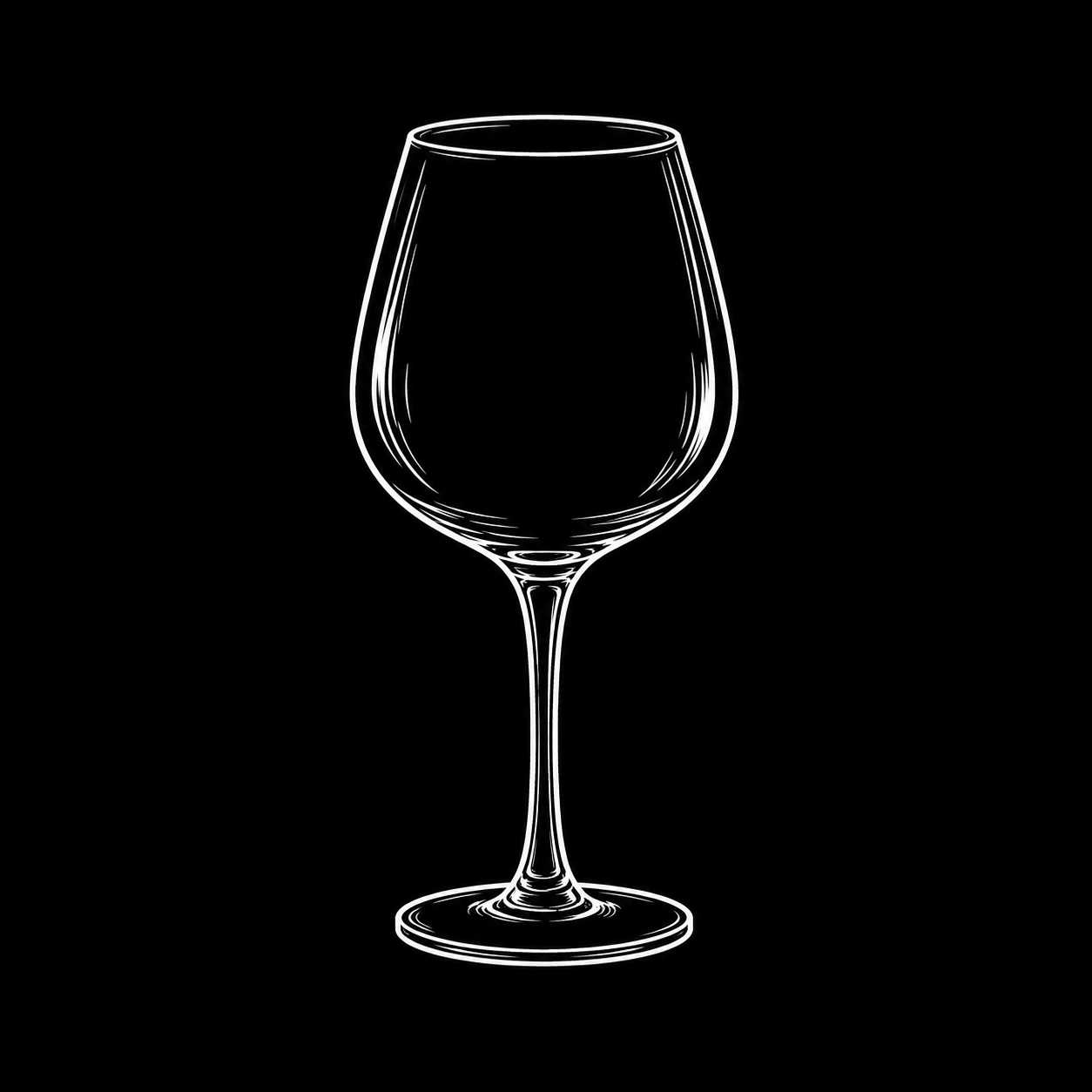
Large Wine | 18–22 oz | 12-18 oz with ice |
The goal isn't to fill every glass to the rim. A well-proportioned drink should look intentional, leaving enough room for garnish and making the glass comfortable to carry without spilling.
Dilution and Finished Volume
Water is one of the largest ingredients in many cocktails.
Whether a drink is shaken or stirred, dilution is intentional. It lowers the proof, softens harsh edges, integrates flavors, and changes the texture of the finished cocktail. It also increases the drink's volume.
The exact amount depends on factors like ice quality, temperature, and technique, but every bartender should expect the finished drink to be noticeably larger than the recipe that went into the shaker.
The table below shows how different mixing methods typically affect dilution and finished volume.
| Method | Typical Time |
Approx. Water Added
0
0.5
1.0
1.5 oz
|
Notes |
|---|---|---|---|
| Stir | 20 sec |
0.7 oz
|
Typical for spirit-forward cocktails like the Manhattan or Negroni. |
| Stir | 30 sec |
0.9 oz
|
Greater chilling and slightly softer texture. |
| Shake | 10 sec |
0.8 oz
|
Common for sours and citrus-forward cocktails. |
| Shake | 15 sec |
1.05 oz
|
Produces additional dilution and aeration. |
| Whip Shake | 5–8 sec |
0.4 oz
|
Used when additional dilution will occur during service over crushed ice. |
| Dirty Dump / Open Pour | Variable |
1.5 oz+
|
Includes all shaker ice and meltwater. Final dilution continues throughout service. |
Note: These values are approximate and assume properly chilled ingredients and fresh ice. Actual dilution varies based on ice size, ice temperature, shaker or mixing vessel, ambient conditions, and bartender technique.
Ice Occupancy
Once ice is added, it becomes part of the sizing equation.
Ice cools the drink, but it also occupies a surprising amount of space.
A large clear cube can fill nearly half of a double rocks glass before any liquid is added. A Collins packed with standard cubes leaves much less room for the cocktail than its capacity suggests. Crushed ice occupies even more space, which is why tropical drinks and juleps are often served in larger vessels despite containing relatively modest amounts of liquid.
Ice shape also affects how the drink changes over time. Large cubes and spheres melt slowly, while pebble and crushed ice provide faster chilling and continuous dilution.
| Ice Format | Typical Size | Typical Glass Volume Occupied | Common Uses | Relative Dilution | |
|---|---|---|---|---|---|

|
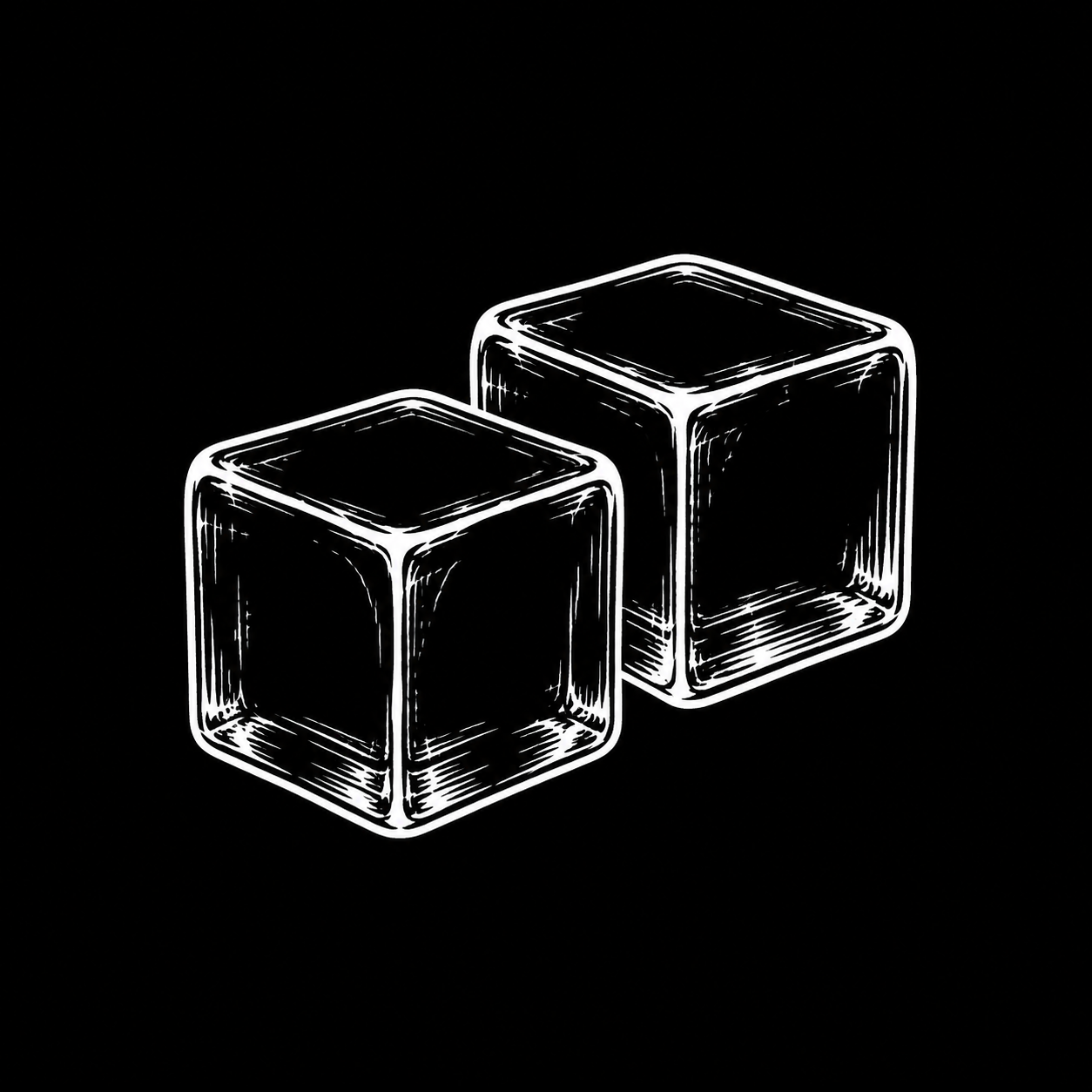
Standard Machine Cubes | ¾–1" | 40–60% of the glass | Highballs, mixed drinks, soda service | Medium |
|
Kold-Draft / Large Cubes | 1¼" | 35–50% of the glass | Shaking and stirring premium cocktails | Medium–Slow |

|
Large Rock | 2" × 2" | 30–45% of a double rocks glass | Old Fashioneds, Negronis, neat spirits | Slow |

|
Ice Sphere | 2–2½" | 35–50% of a rocks glass | Premium whiskey and spirit service | Very Slow |
|
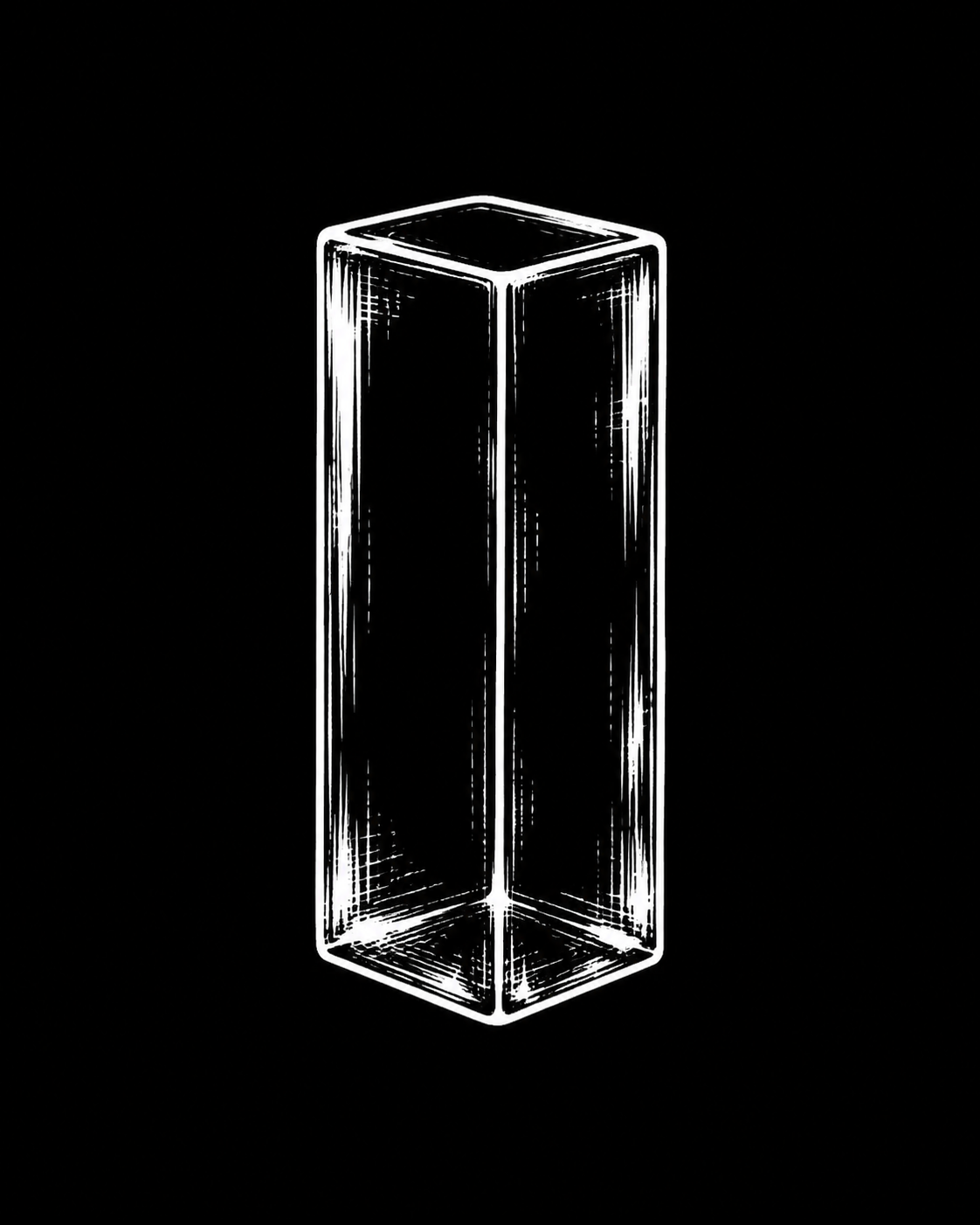
Collins Spear | 5–7" long | 25–40% of a Collins or Highball | Collinses, Gin & Tonics, Ranch Waters | Slow |

|
Pebble Ice | Small nuggets | 50–70% of the glass | Swizzles, tropical cocktails | Fast |

|
Crushed Ice | Fine shards | 60–80% of the glass | Mint Juleps, tropical drinks, frozen-style cocktails | Fastest |
Note: These ranges assume a properly built drink using typical bar practices. Ice shape, glass geometry, and packing density all affect how much room remains for the finished cocktail. Use these values as planning guidelines rather than exact measurements when selecting glassware.
When you combine these three variables, the logic behind classic glassware becomes clear.
An Old Fashioned needs room for a large cube.
A Collins needs room for ice, carbonation, and a larger finished volume.
A Daiquiri needs neither, allowing it to fit comfortably in a small stemmed glass.
Glass selection isn't about following tradition for its own sake. It's about choosing a vessel that fits the finished drink.
Aroma and Glass Shape
Much of what we perceive as taste actually comes from aroma. Before a drink reaches your mouth, volatile compounds collect above the surface of the liquid and reach your nose. Glass shape determines how those aromas are captured and delivered.
In general, narrow openings concentrate aroma, while wider bowls encourage it to develop.
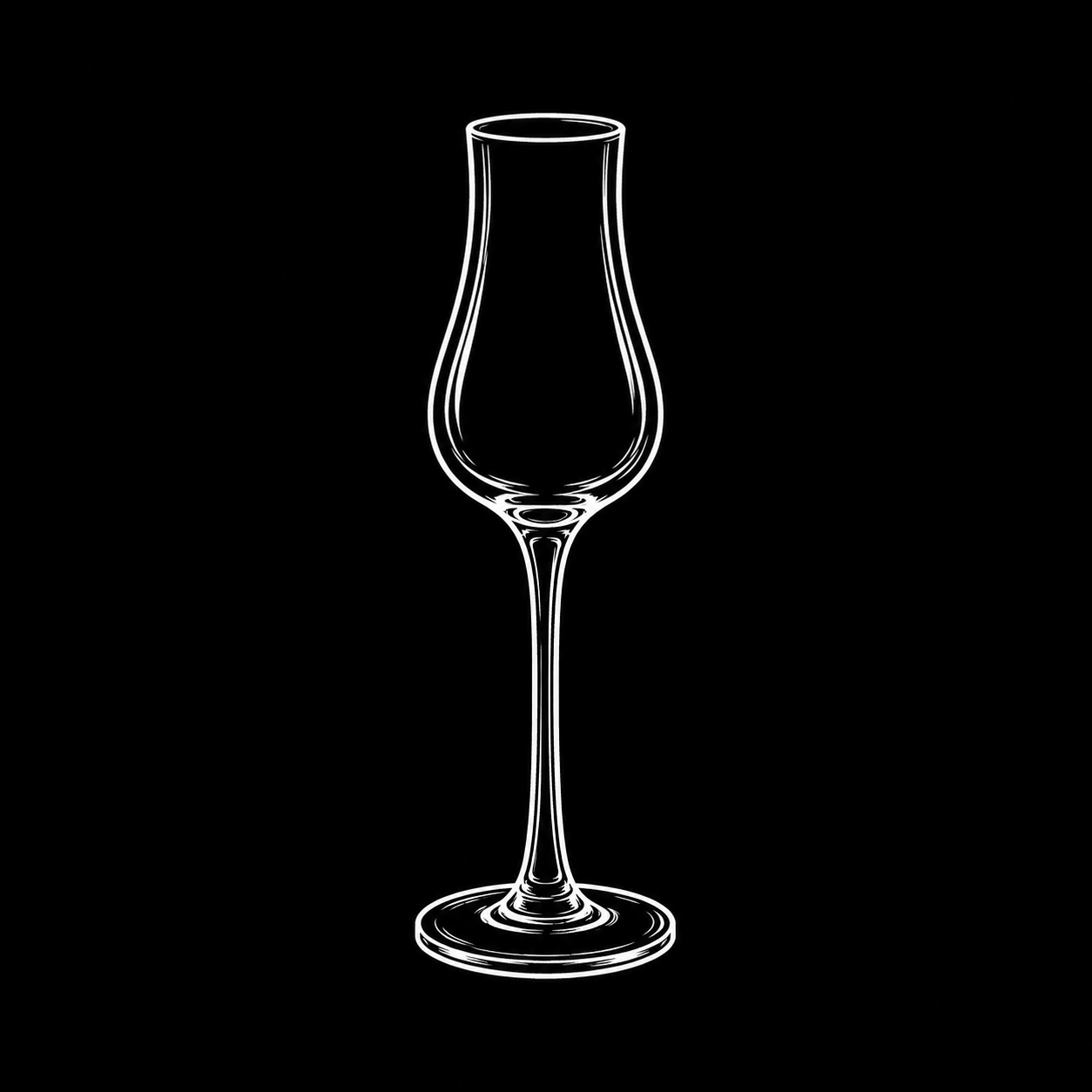
That's why tasting glasses like the Glencairn, copita, and other tulip-shaped spirit glasses have a wide bowl that narrows at the rim. The bowl gives the spirit room to breathe, while the opening funnels aromas toward the nose.
Red wine glasses take the opposite approach. Their larger bowls expose more surface area to oxygen, allowing complex aromas to open over time. Many stirred cocktails benefit from the same principle, giving citrus oils, botanicals, and fortified wines room to express themselves without trapping every aroma in a narrow opening.
Glassware also determines how the garnish contributes to the drink. A Mint Julep or Mojito places fresh mint directly beneath the guest's nose, while expressed citrus oils, herbs, flowers, and smoke become part of the experience because the glass positions them where every sip passes through their aroma.
Even the height of the glass makes a difference. An Old Fashioned served in a rocks glass naturally brings your nose close to the surface of the cocktail, making it feel more aromatic. A tall Collins shifts the focus toward refreshment and carbonation instead.
The goal isn't to maximize aroma in every drink. It's to deliver the right aromas in the right way.
Managing Carbonation with Glassware
Carbonated drinks present a tradeoff that still wine and spirit-forward cocktails don't.
The more surface area exposed to the air, the faster carbonation escapes.
That's why Tom Collinses, Gin & Tonics, Ranch Waters, and other sparkling cocktails are traditionally served in tall, narrow glasses. Less surface area means bubbles escape more slowly, helping the drink stay lively throughout service. The narrow shape also creates the familiar column of rising bubbles that signals freshness before the first sip.
Sparkling wine follows the same principle.
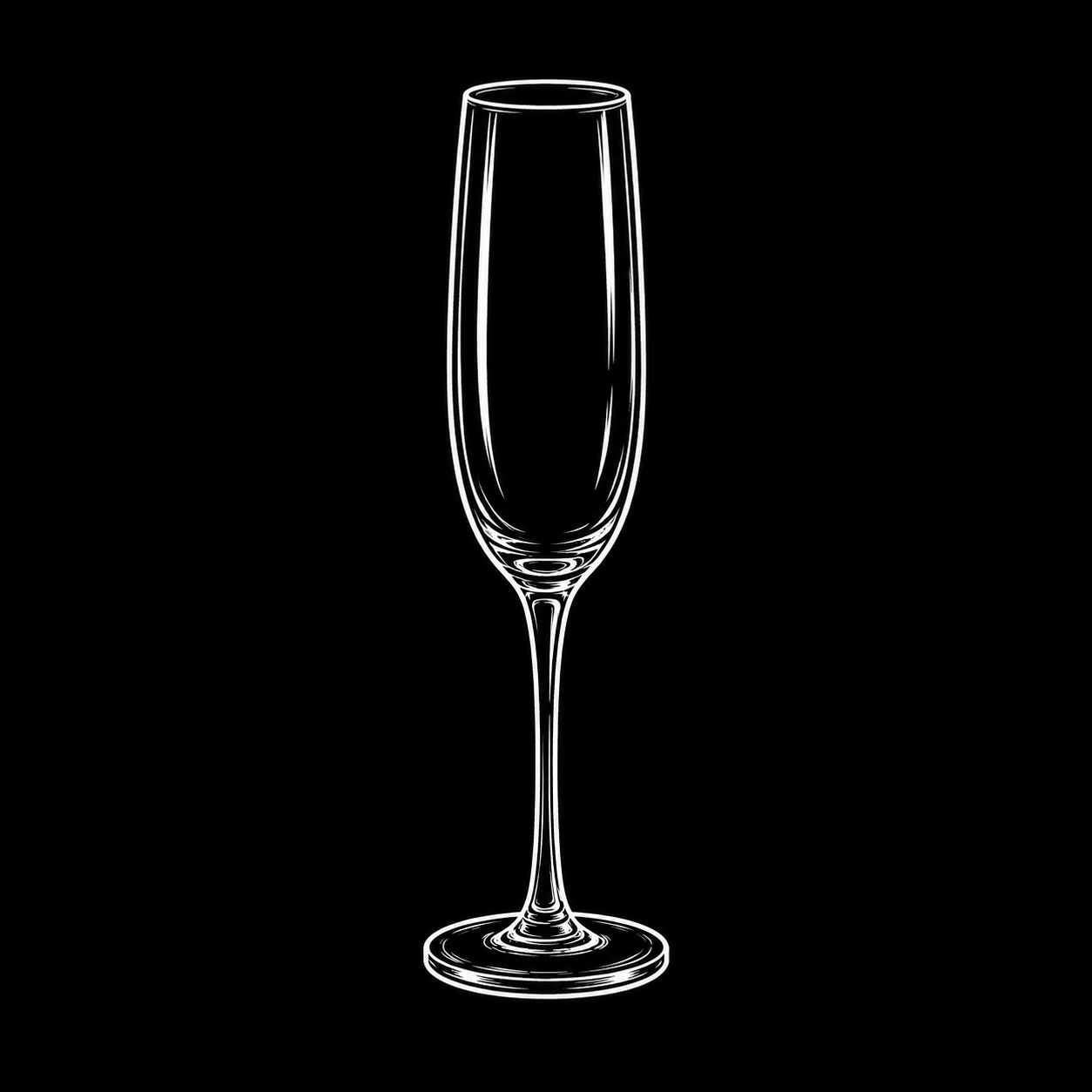
A traditional flute is excellent at preserving carbonation, which is why it became the standard serving glass for Champagne. Tulip glasses and universal wine glasses take a different approach. Their wider bowls allow more aroma to develop, revealing the wine's complexity while sacrificing some bubble retention.
Effervescence vs. Aroma
Narrow glassware preserves bubbles. Wider bowls give aroma more room to develop.
Champagne, French 75
Tom Collins, Highball, G&T
Sparkling wine, Belgian beer
Champagne, Spritz, pét-nat
Sparkling classics
This is not a quality ranking. A flute works when carbonation is the priority. A wine glass or tulip makes more sense when aroma matters more than preserving every bubble.
Neither approach is inherently better.
Choose a narrow glass when lively carbonation is the priority. Choose a wider bowl when aroma contributes more to the drinking experience. The right glass depends on which characteristic you want the guest to notice first.
Tradition vs. Function
Many classic cocktails are closely associated with a particular style of glassware. A Martini belongs in stemware. A Moscow Mule is expected in a metal mug. A Guinness looks at home in a pint glass.
Those expectations matter. Familiar presentation helps guests recognize a drink before they take the first sip.
But tradition usually started for a reason.
A rocks glass accommodates large ice. A coupe keeps a chilled cocktail free of dilution. A Collins glass preserves carbonation while making room for ice and a larger serving. Over time, those practical decisions became conventions.
Understanding why a glass became traditional makes it easier to recognize when another option might be better.
A Nick & Nora may serve a Martini better than an oversized Martini glass because the proportions feel more balanced. A stemmed wine glass may be a better choice for a spritz if it improves aroma without sacrificing carbonation. A clarified Milk Punch served over a large cube may belong in a rocks glass instead of a coupe because the drink is designed to evolve over time.
Those are intentional decisions.
When you depart from tradition, the new glass should solve a problem or improve the guest experience. It might preserve temperature, enhance aroma, showcase a garnish, reduce breakage, or make service more efficient.
Tradition is a useful starting point. Understanding the purpose behind it is what allows you to improve on it.
Essential Cocktail Glassware
By now, the pattern should be familiar.
No glass is "correct" for every cocktail. Each one simply solves a different set of problems.
The glasses below make up the backbone of most cocktail programs. Together, they cover nearly every classic and modern drink you'll encounter behind the bar.
| Glass | Best For | Why It Works | |
|---|---|---|---|
|
|
Coupe | Daiquiris, Sidecars, Paper Planes, and other cocktails served up | Elegant, stemmed, keeps drinks cold while providing enough bowl diameter for citrus aromatics. |
|
|
Nick & Nora | Martinis, Manhattans, and other spirit-forward stirred drinks | Smaller capacity, less spilling, excellent portion control, and refined presentation. |
|
|
Martini Glass | Martinis and signature cocktails | Iconic appearance, though many modern versions are oversized and prone to spilling. |
|
|
Rocks / Double Rocks | Old Fashioneds, Negronis, Whiskey Sours served on ice | Plenty of room for large cubes, garnish, and controlled dilution. |
|
|
Collins / Highball | Tom Collins, Gin & Tonics, Ranch Waters, Mojitos | Tall profile preserves carbonation while accommodating plenty of ice. |
|
|
Hurricane Glass | Hurricanes, Piña Coladas, Singapore Slings, tropical long drinks | Large capacity, dramatic shape, and enough room for ice, garnish, and longer builds. |
|
|
Tropical Mug / Julep Cup | Crushed ice cocktails, Mint Juleps, tropical drinks | Insulates the drink, creates visual impact, and accommodates large amounts of crushed ice and garnish. |
|
|
Shot / Cordial Glass | Spirits, amari, liqueurs, small-format pours | Appropriate volume for small pours while maintaining visual balance. |
|
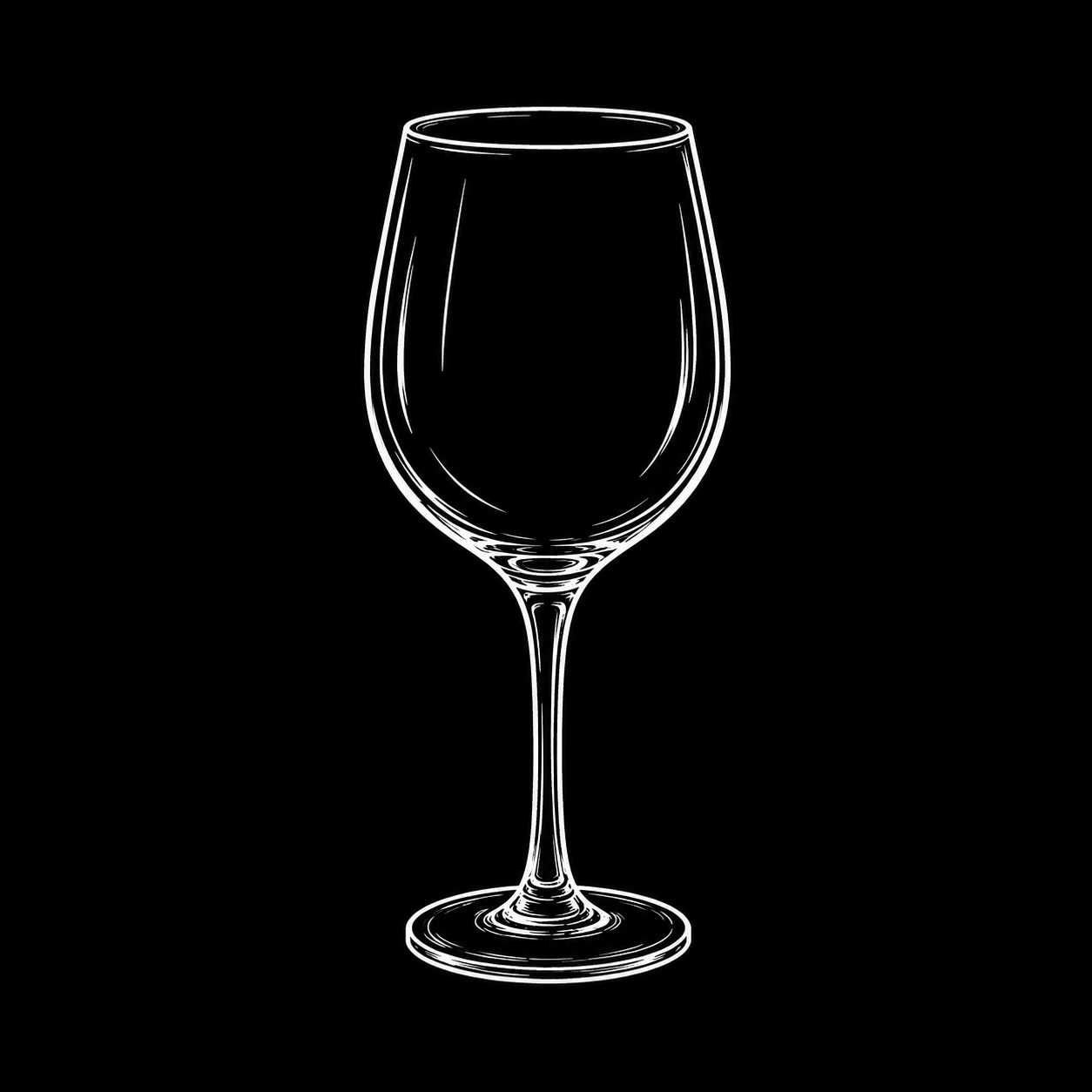
Stemmed Wine Glass | Spritzes, sangria, wine cocktails, low-ABV builds | Large bowl gives room for ice, bubbles, garnish, and aromatic ingredients while the stem keeps hands off the drink. |
Essential Wine Glassware
Wine glassware has a reputation for being overly complicated.
Bordeaux. Burgundy. Chardonnay. Riesling. Dessert wine. The list goes on.
Unless wine is the primary focus of your program, you probably don't need all of them.
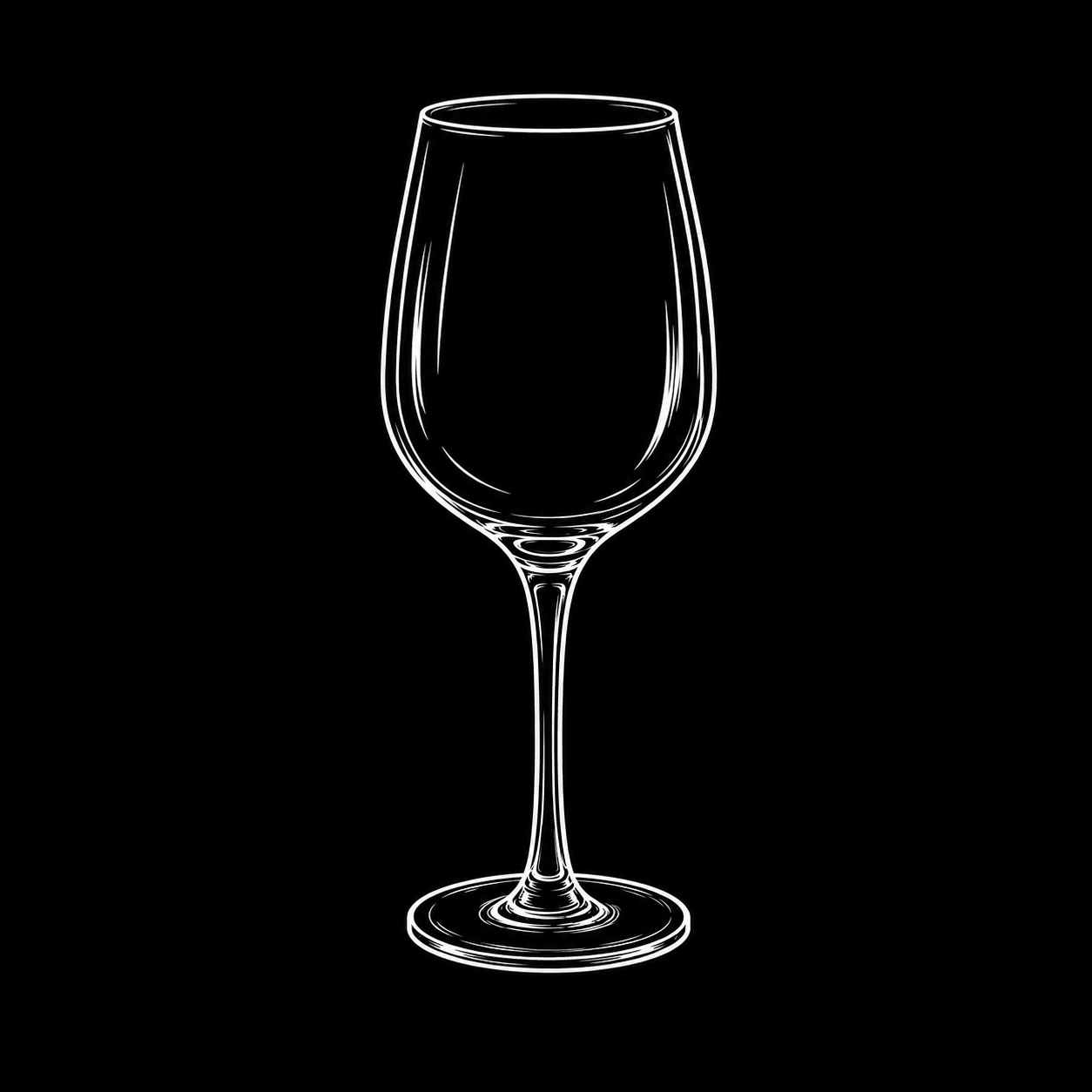
Large bowls encourage aroma development. Smaller bowls help maintain colder serving temperatures while concentrating more delicate aromas. Everything else is refinement.
The glasses below cover the styles most restaurants are likely to encounter.
| Glass | Best For | Primary Purpose | |
|---|---|---|---|
|
|
Large Red Wine Glass | Cabernet Sauvignon, Syrah, Bordeaux blends | Maximizes aroma and oxygen exposure. |
|
White Wine Glass | Sauvignon Blanc, Chardonnay, Pinot Grigio | Maintains colder temperatures while concentrating aroma. |
|
Sparkling Flute | Champagne, Prosecco, Cava | Preserves carbonation and showcases bubbles. |
|
Dessert Wine Glass | Port, Sherry, Sauternes | Appropriate for smaller pours of higher-intensity wines. |
For many beverage programs, a durable white wine glass can handle the vast majority of service. Add a large red wine glass if your list leans heavily toward fuller-bodied reds, a flute for sparkling wine, and a dessert wine glass if you regularly pour fortified or sweet wines.
Additional glassware should solve a specific problem, not simply expand the collection.
Essential Beer Glassware
Beer deserves the same attention as cocktails and wine.
Glass shape influences carbonation, foam retention, aroma, temperature, and presentation, all of which affect how the beer is experienced.
The glasses below cover the most common styles you'll encounter.
| Glass | Best For | Why It Works | |
|---|---|---|---|
|
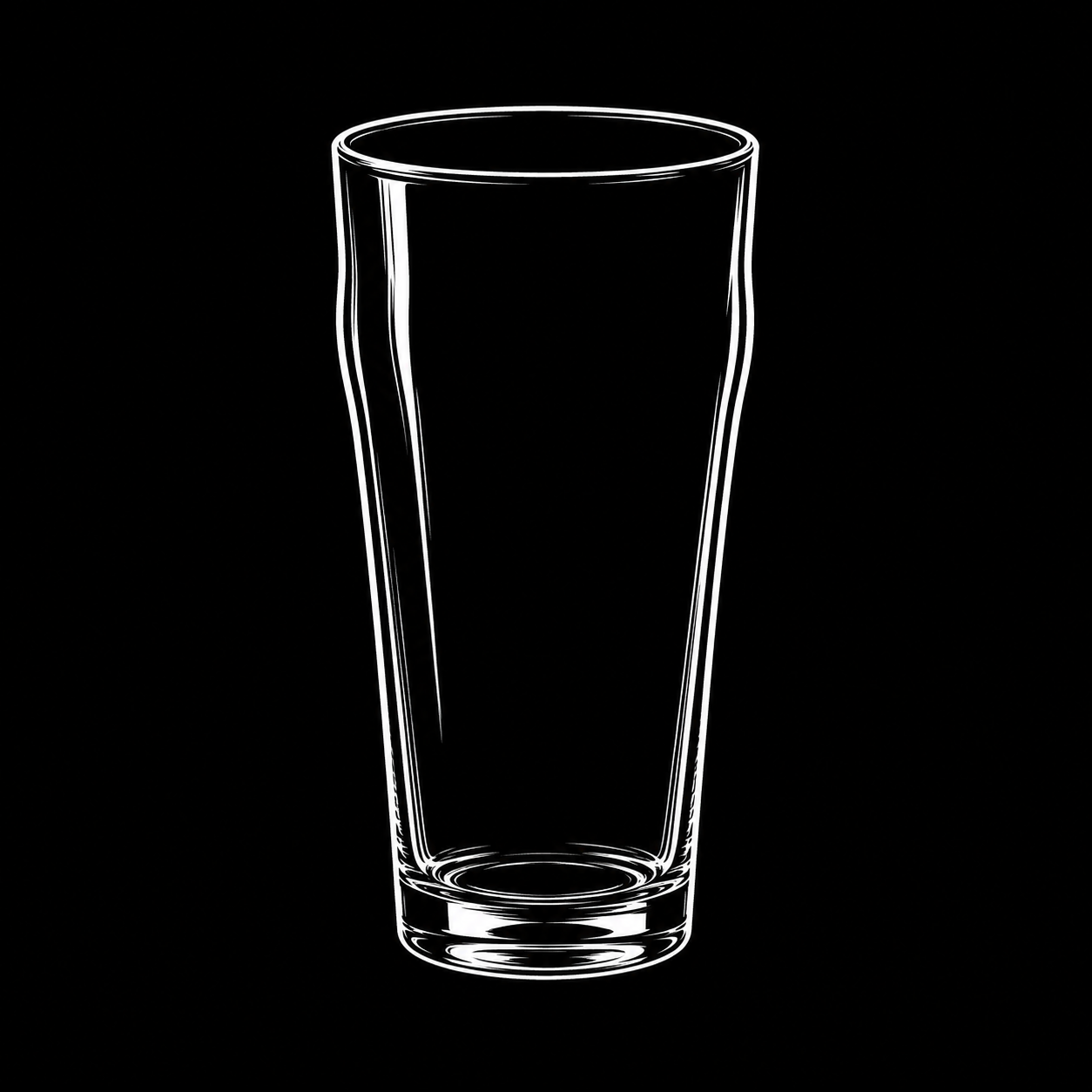
Pint Glass | Most draft beer | Durable, versatile, stackable, easy to stock and replace. |
|
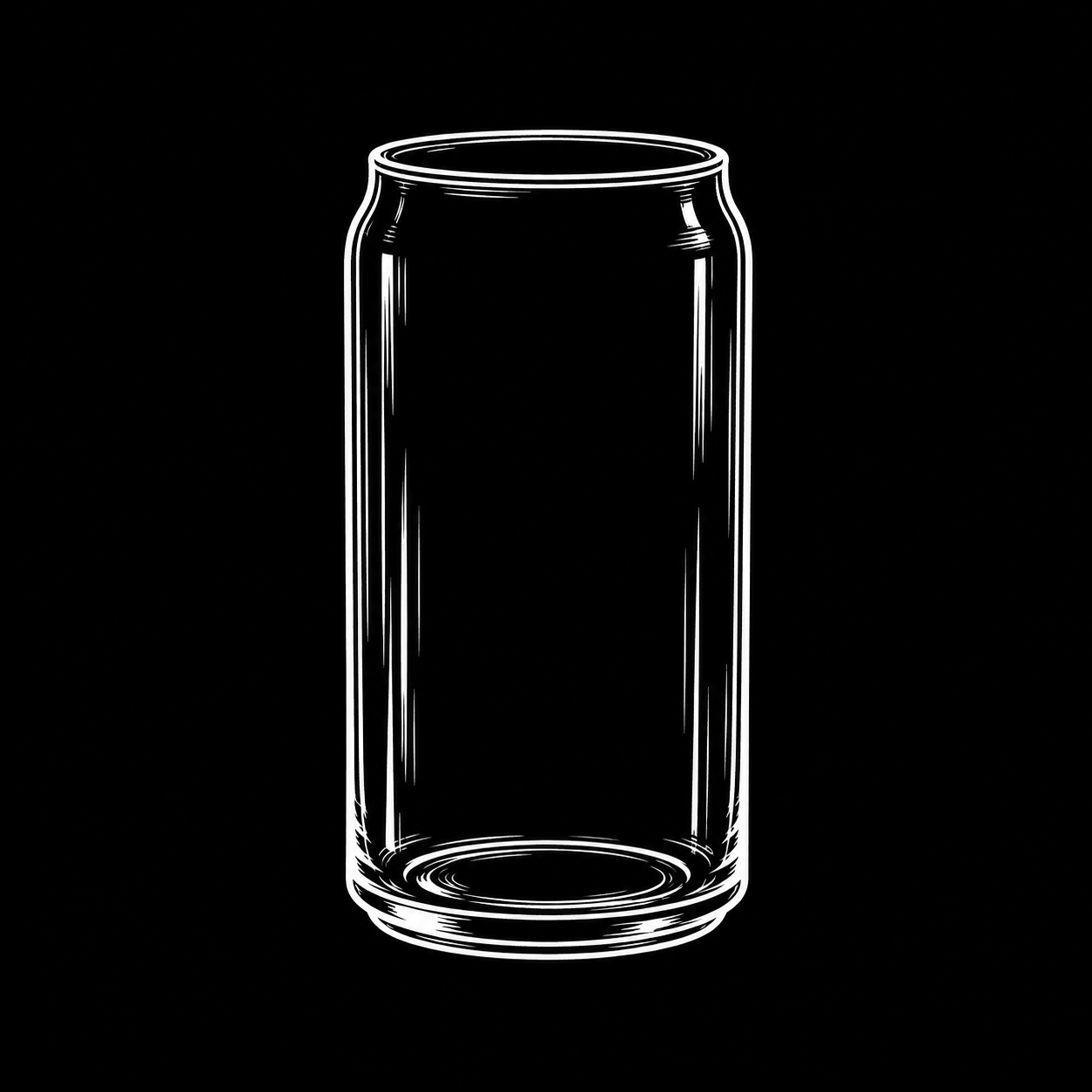
Can Glass | Modern craft beer programs | Versatile shape with improved aroma compared to a standard shaker pint. |
|
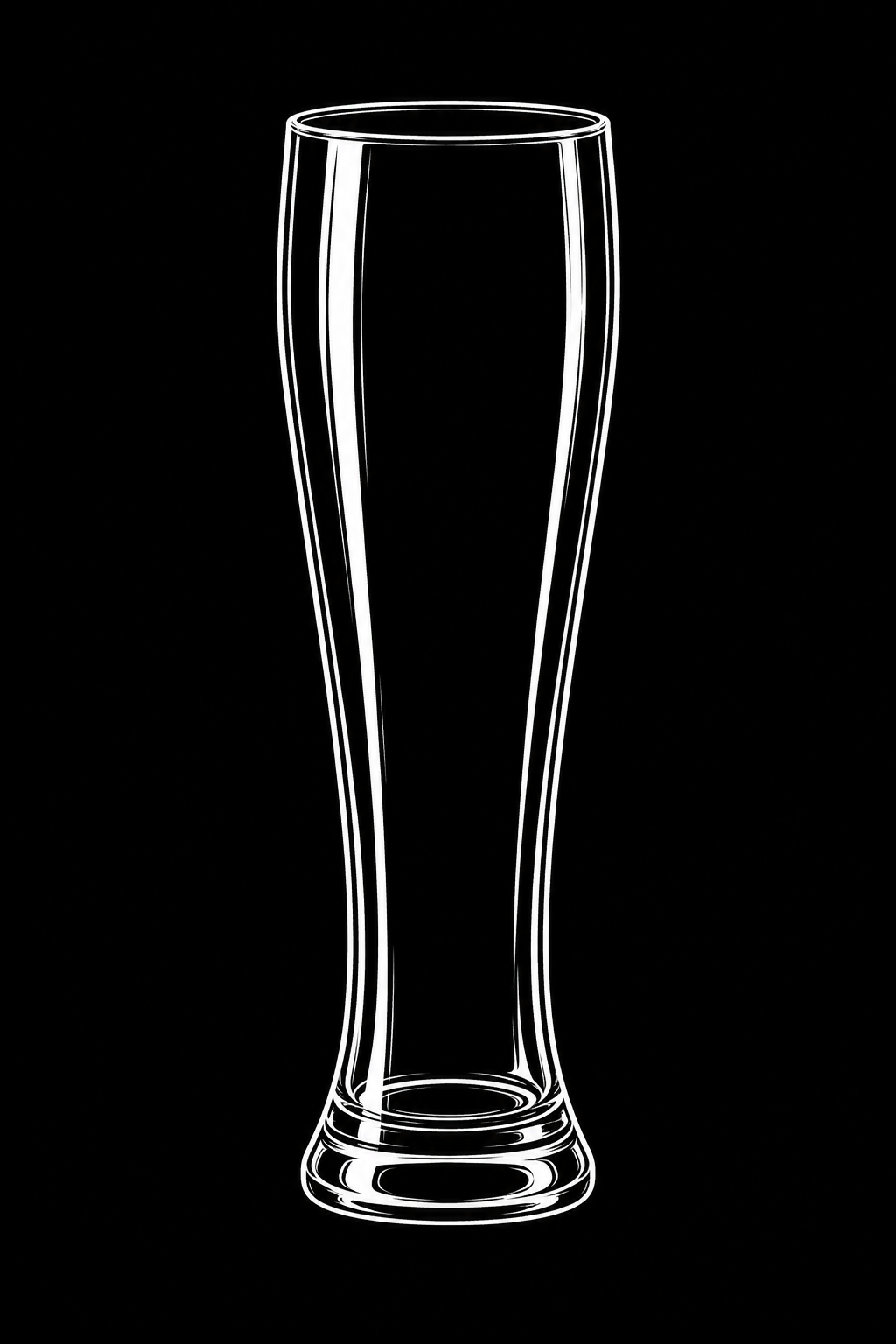
Pilsner Glass | Pilsners, lagers, kölsch | Highlights clarity while maintaining carbonation. |
|
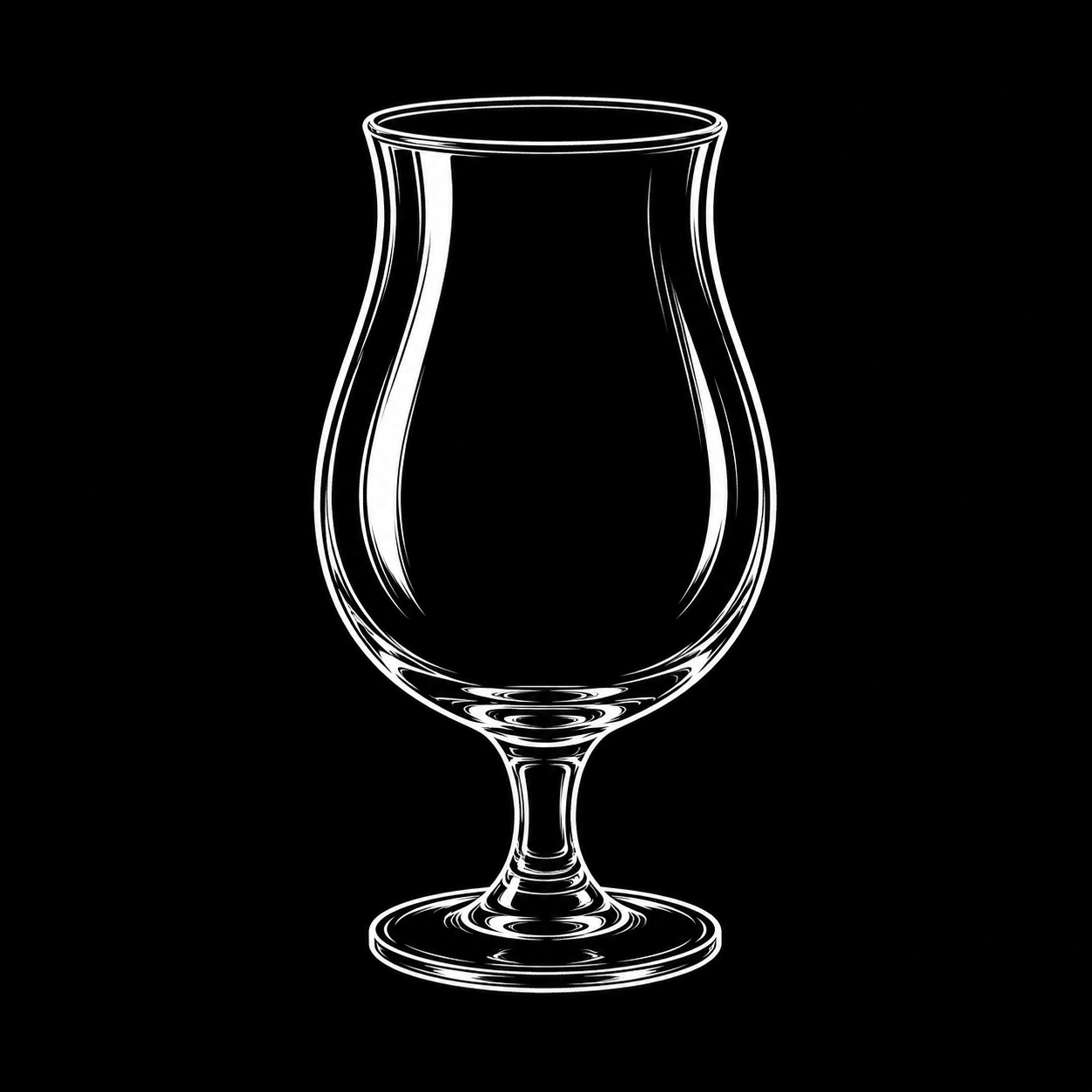
Tulip Glass | Belgian ales, IPAs, saisons | Captures aroma while supporting a stable foam head. |
|
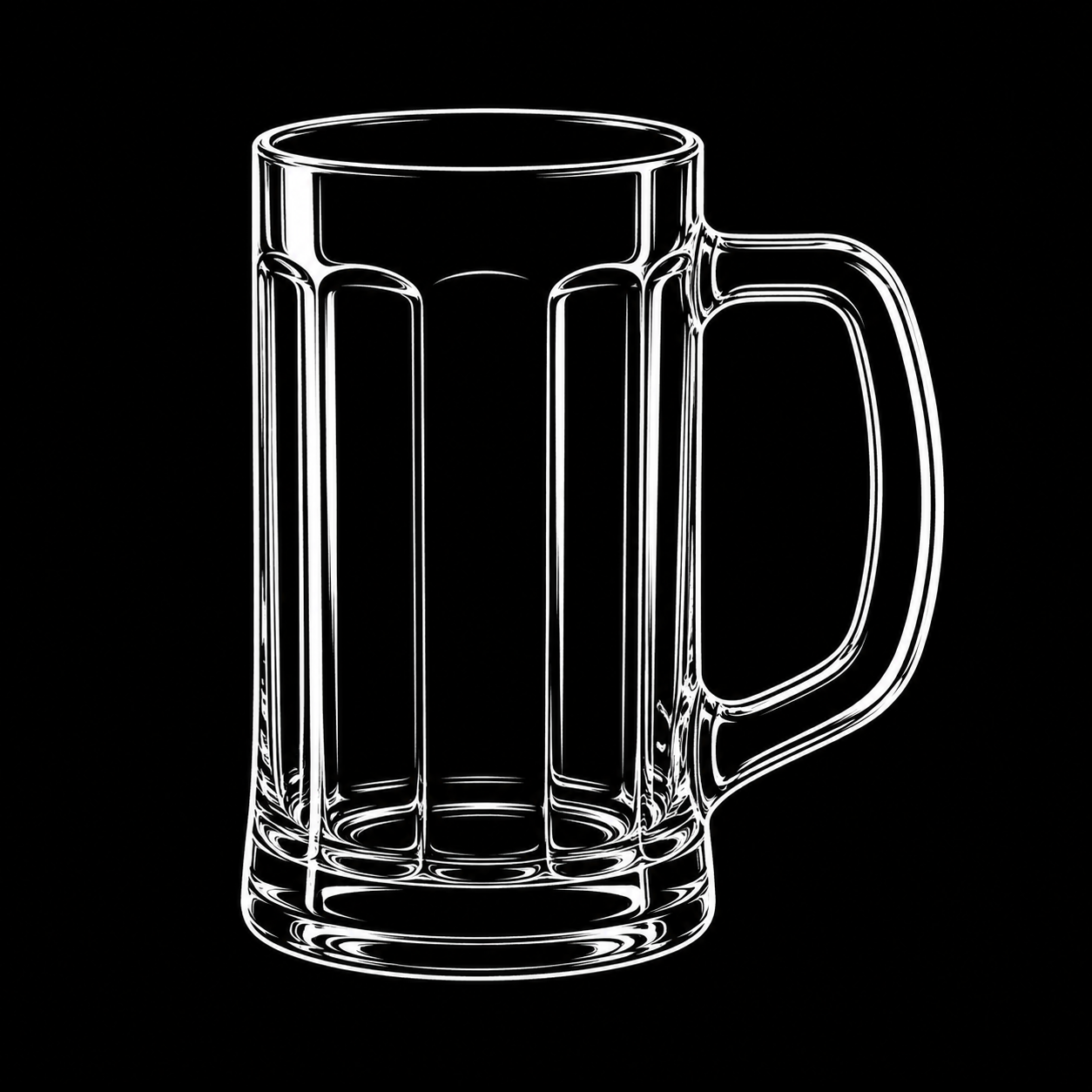
Mug / Stein | Casual beer service, stouts, Oktoberfest styles | Durable, substantial feel, and keeps hands away from the beer. |
|
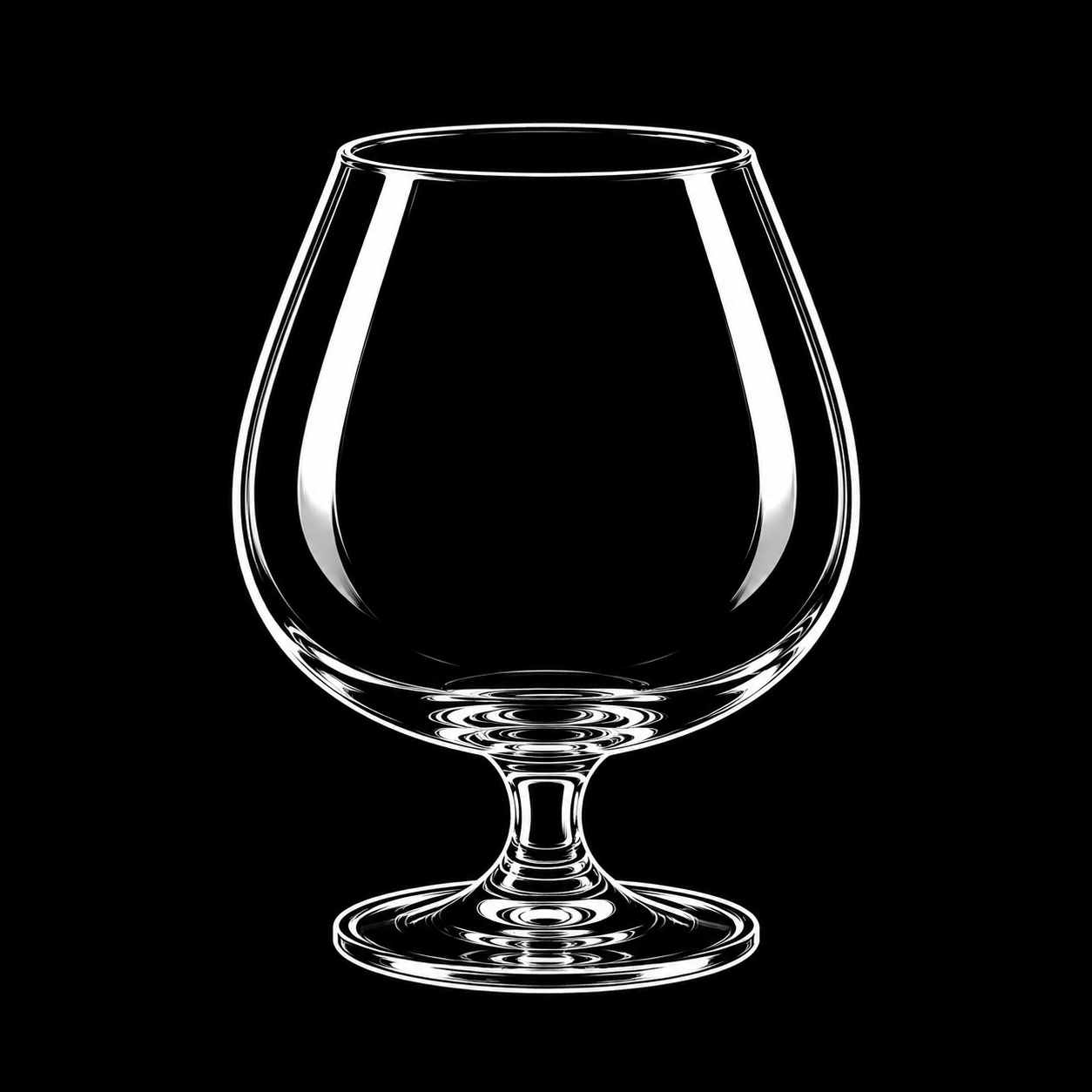
Snifter | Imperial stouts, barleywines, barrel-aged beers | Concentrates aromas for high-ABV, complex beers. |
If you only stock one beer glass, it's hard to argue against the pint.
Is it the best glass for showcasing every beer?
No.
Is it durable, inexpensive, stackable, dishwasher-friendly, easy to replace, and suitable for most draft programs?
Yes.
Like most equipment decisions behind the bar, the "best" option isn't always the most specialized. It's the one that balances guest experience with the realities of day-to-day service.
Operational Considerations
By now we've talked a lot about how glassware affects the guest's experience. Let's talk about how it affects yours.
Every new piece of glassware you introduce comes with hidden costs.
Some are obvious, like purchase price and replacement cost. Others don't show up until your team has been living with the decision for a few months.
Ask yourself a few practical questions before adding a new glass to your program.
| Consideration | Why It Matters |
|---|---|
| Durability | How often will it chip, crack, or break during normal service? |
| Storage | Can you actually fit another SKU behind the bar or in storage? |
| Dishwasher Compatibility | Does it fit your racks? Does it survive repeated wash cycles? |
| Stackability | Can it be stored efficiently, or does every glass require its own shelf space? |
| Versatility | Can it serve multiple menu items? |
| Cost | Is the presentation worth the ongoing replacement expense? |
| Service Speed | Does it help or slow down bartenders and servers during busy shifts? |
| Consistency | Will every bartender use it correctly every time? |
Building a Glassware Program
A good glassware program is built around versatility.
It's tempting to stock a different glass for every signature cocktail, but each new SKU takes up storage space, increases replacement costs, complicates ordering, and gives staff one more thing to remember during service.
Start with a small collection of dependable workhorses that can serve a wide range of drinks well.
A Practical Starter Glassware Collection
| Core Glassware | Covers | |
|---|---|---|
|
|
Double Rocks | Spirit-forward cocktails, whiskey service, and cocktails served over ice |
|
|
Coupe or Nick & Nora | Cocktails served up |
|
|
Collins or Highball | Carbonated and refreshing long drinks |
|
|
White Wine Glass | Most red, white, rosé, and sparkling wine service |
|
|
Pint or Can Glass | Most beer programs |
|
|
Small Tasting Glass | Premium spirits, flights, dessert wines, and amari |
From there, let your menu justify additional glassware.
A tropical cocktail program may benefit from dedicated mugs. A whiskey-focused bar might add Glencairns for premium pours. A restaurant with an extensive wine list may find separate red and white wine glasses worthwhile.
Each new style should solve a problem that your existing collection can't.
If a new glass doesn't improve the guest experience, support the menu, or make service more effective, it's probably another SKU to wash, store, and replace.
The best glassware programs aren't the largest. They're the ones where every piece has a clear purpose.
Standardizing Glassware
Choosing the right glass is only part of the job. Every member of your team has to choose the same one.
Without clear standards, presentation quickly becomes inconsistent. One bartender serves the house Margarita in a double rocks glass. Another uses a coupe. A third grabs whatever happens to be clean.
The recipe hasn't changed, but the guest experience has.
Every cocktail recipe should document more than ingredients. At a minimum, it should specify:
Glassware
Ice format
Garnish
Preparation method
Any presentation or service notes
These details make training easier, speed up service, and ensure drinks leave the bar looking the way they were designed.
Consistency isn't glamorous, but it's one of the easiest ways to improve a beverage program.
Spec was built around that idea. Every recipe includes dedicated fields for glassware, ice, garnish, preparation method, and service notes, giving every bartender the same instructions whether they're learning a new cocktail, rolling out a seasonal menu, or working at a different location.
Standardize your beverage program in Spec
You may also find these guides helpful as you continue refining your beverage program:
Final Thoughts
There isn't a perfect glass for every drink.
There are only glasses that solve different problems.
Some preserve temperature. Others concentrate aroma. Some leave room for large ice, while others showcase carbonation or improve service behind the bar. The best choice depends on what the drink is trying to accomplish.
That's why the "correct" glass isn't always the traditional one. Tradition is a good place to start, but understanding why a glass works is what allows you to make better decisions.
Once you begin thinking about glassware as another piece of bar equipment, the choices become much simpler. You're no longer choosing a glass because that's how it's always been done. You're choosing the tool that best supports the drink.
That's the real purpose of glassware.
